

Almost Nothing Has Been Erased
What nine thousand years leave behind
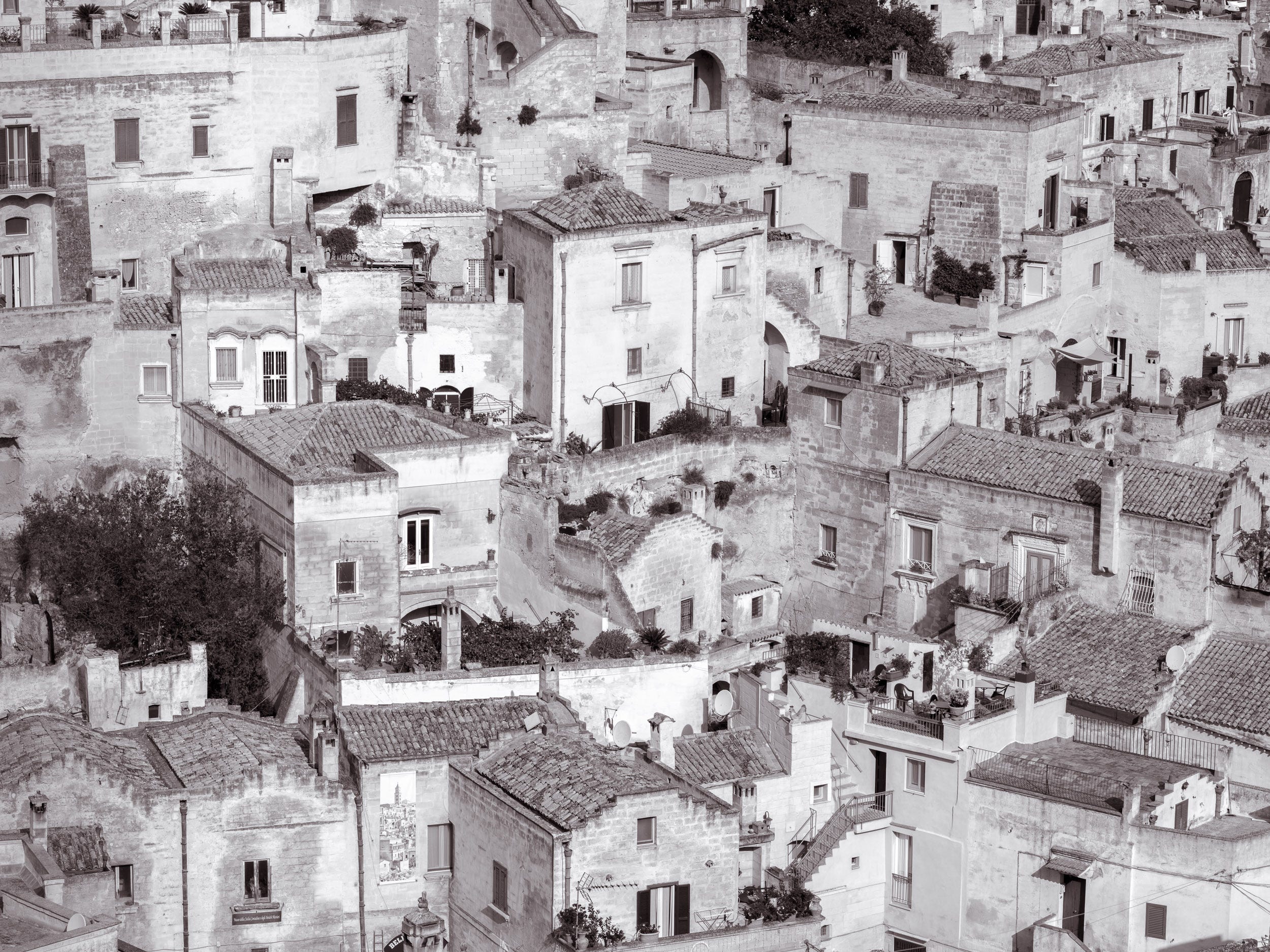
On my first visit, I couldn’t tell where the hill ended and the city began.
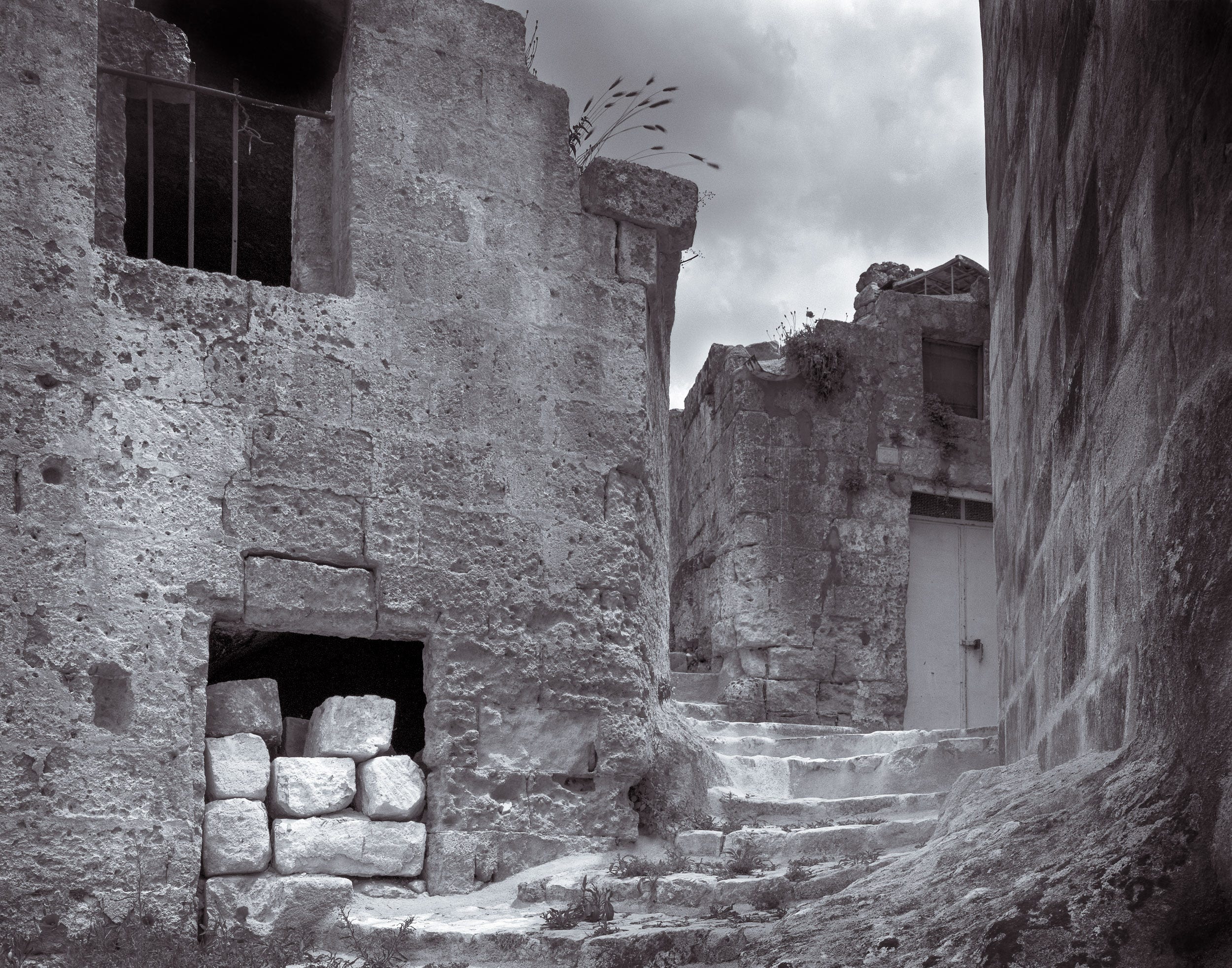
Some walls are built of stone, others are simply the hill itself, hollowed out and left standing. Streets become rooftops. Stairways become streets. Churches disappear into the rock while houses seem to grow out of it. Nothing is imposed on the landscape; the city seems to have emerged from it.
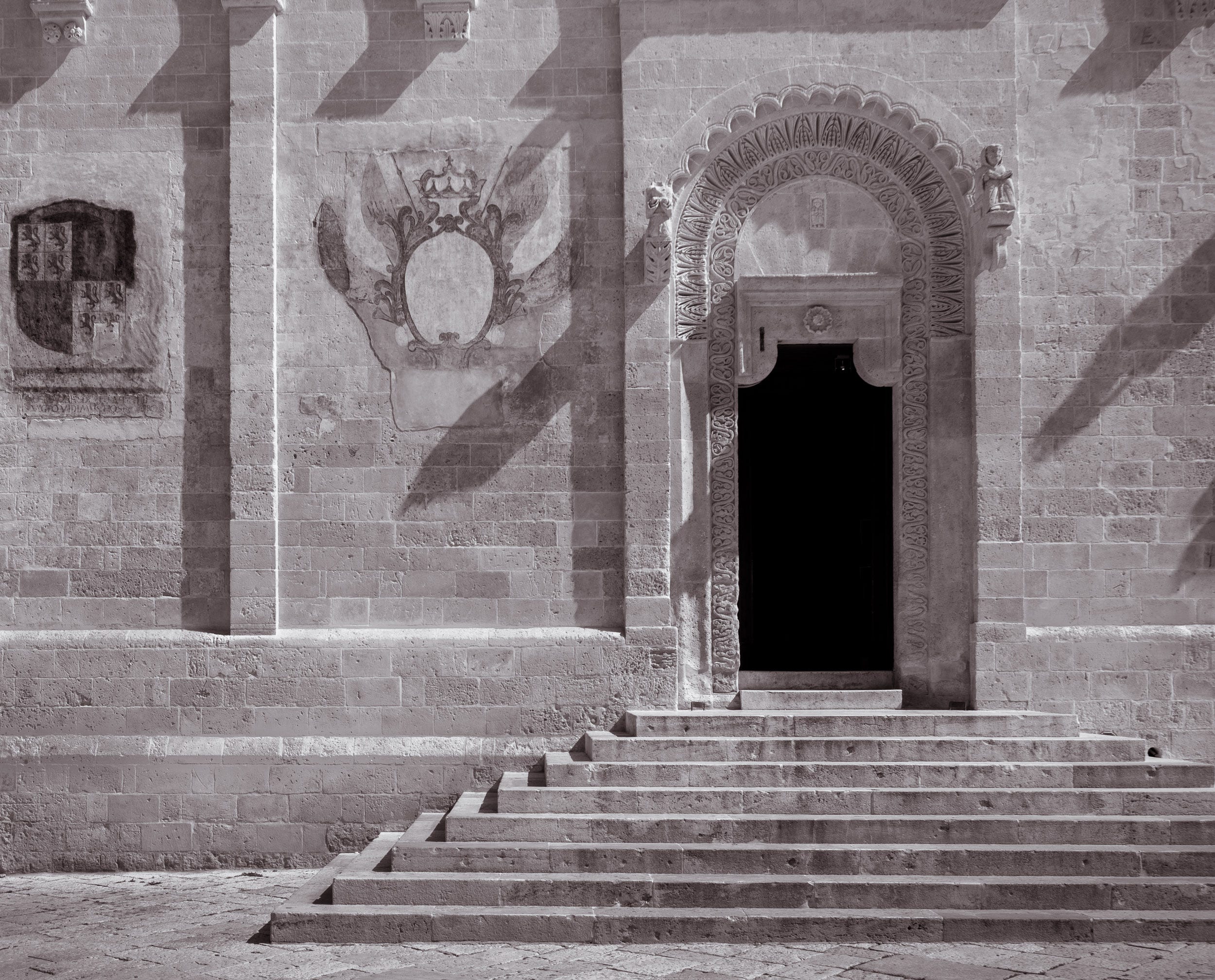
Walking through Matera with a camera feels less like exploring a place than reading a manuscript that has been written over for thousands of years. Every doorway hints at another doorway beneath it. Every wall carries traces of repairs, additions, disappearances. Nothing seems finished because nothing ever really has been.
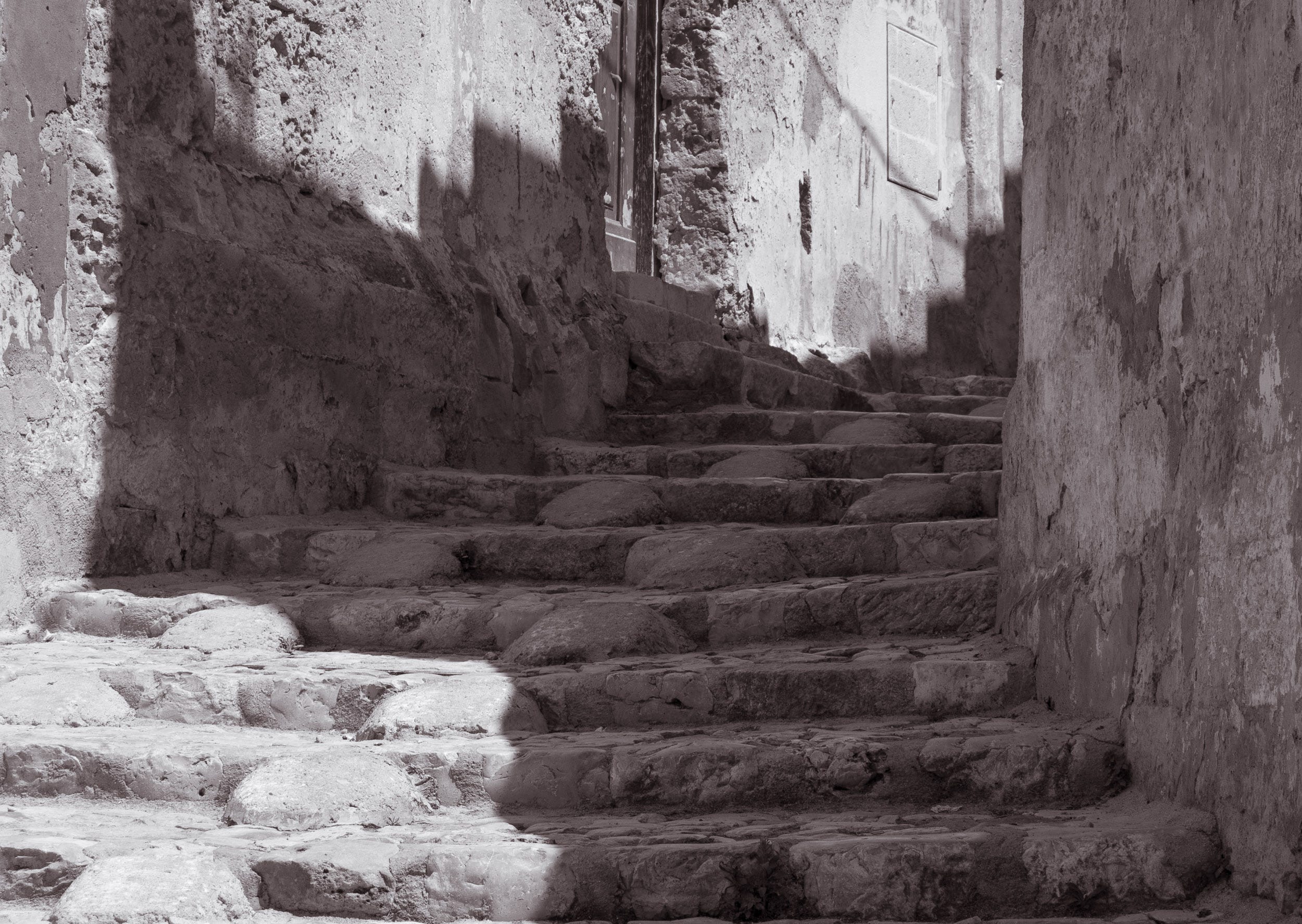
Matera is one of the oldest continuously inhabited cities in the world. People have been carving homes and churches into this soft limestone since prehistoric times. But what interested me wasn’t simply its age. It was how little distinction the city makes between centuries.
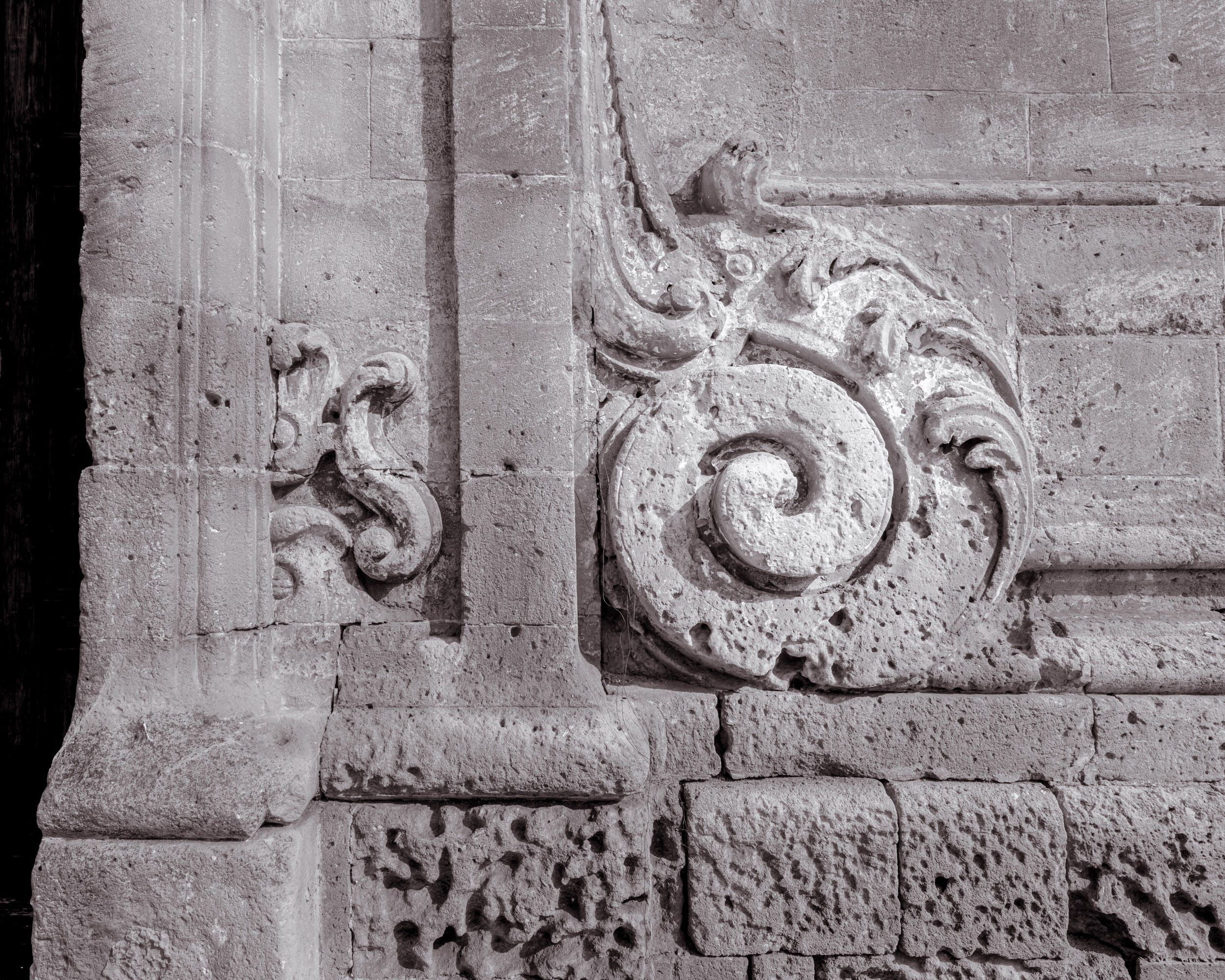
A medieval staircase leads to a twentieth-century door. Electrical conduit runs across stone that has already weathered for hundreds of years. A steel grate closes an ancient opening. Someone has spray-painted CINEMA and an arrow on a wall that has probably watched generations come and go.
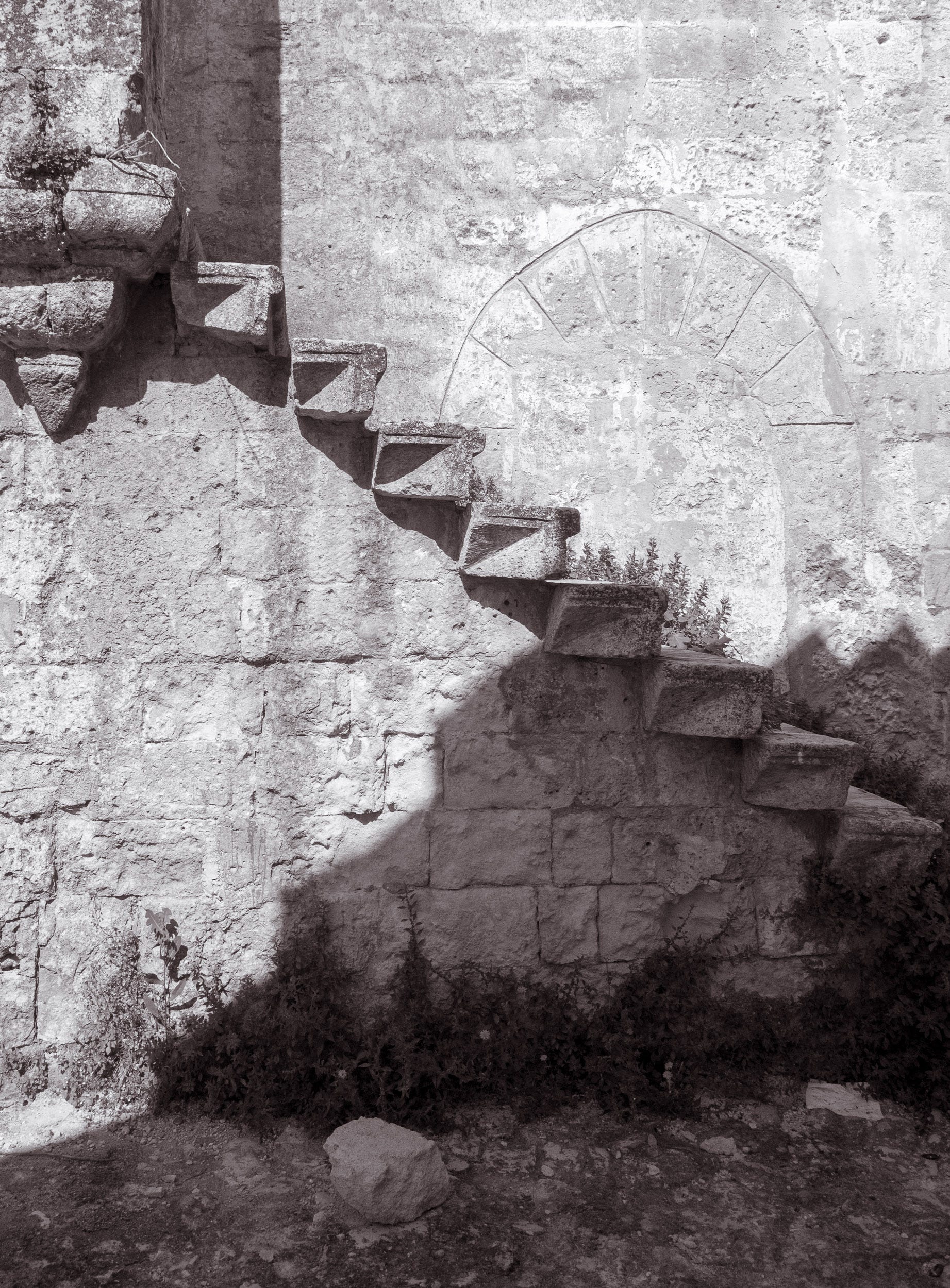
Somehow, it all belongs.
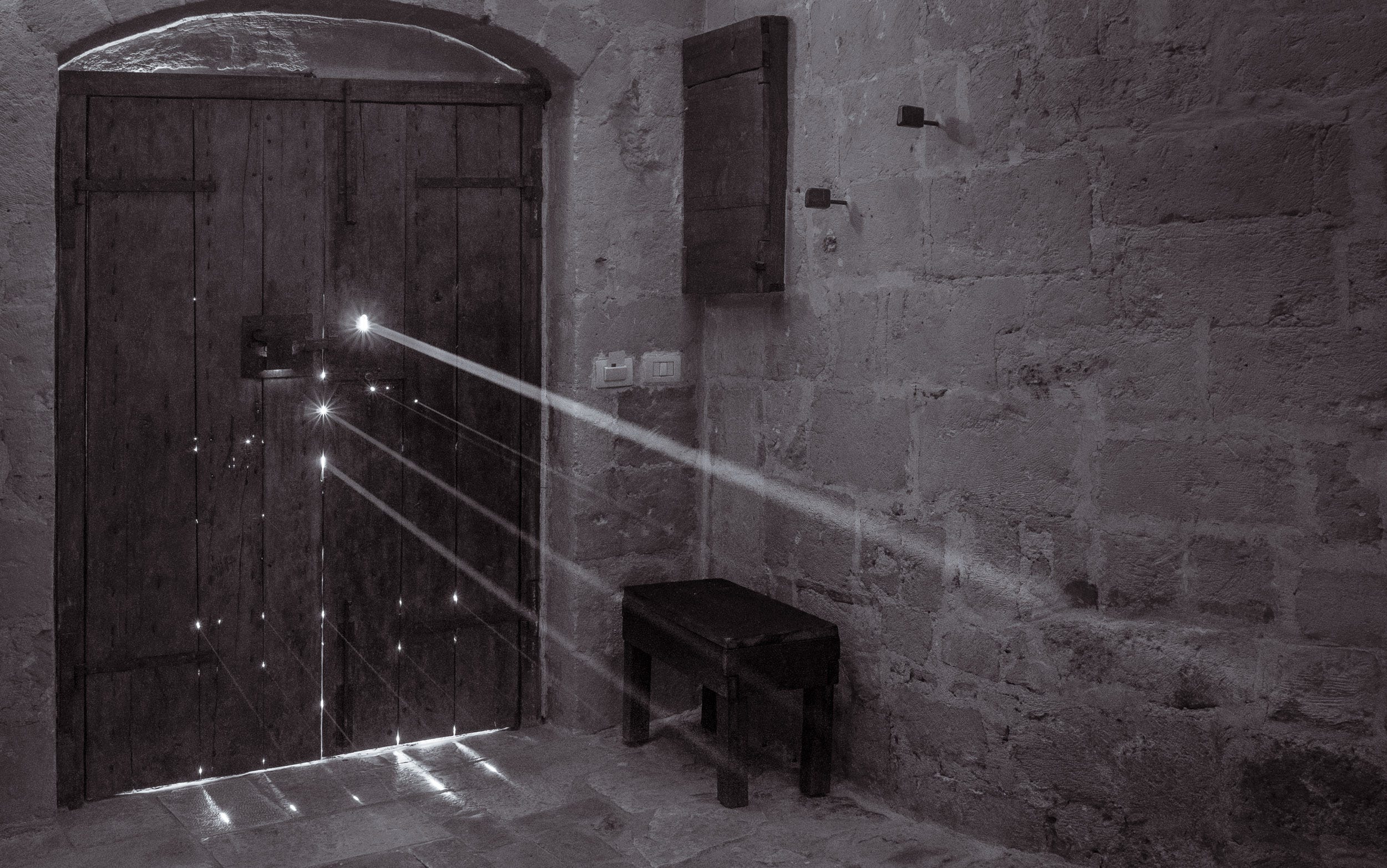
I stood inside an old doorway where sunlight slipped through cracks in a weathered wooden door. Each beam found its own opening, crossing the room in quiet lines before disappearing into shadow. It felt like a small version of the city itself – not frozen in time, but allowing time to pass through it.
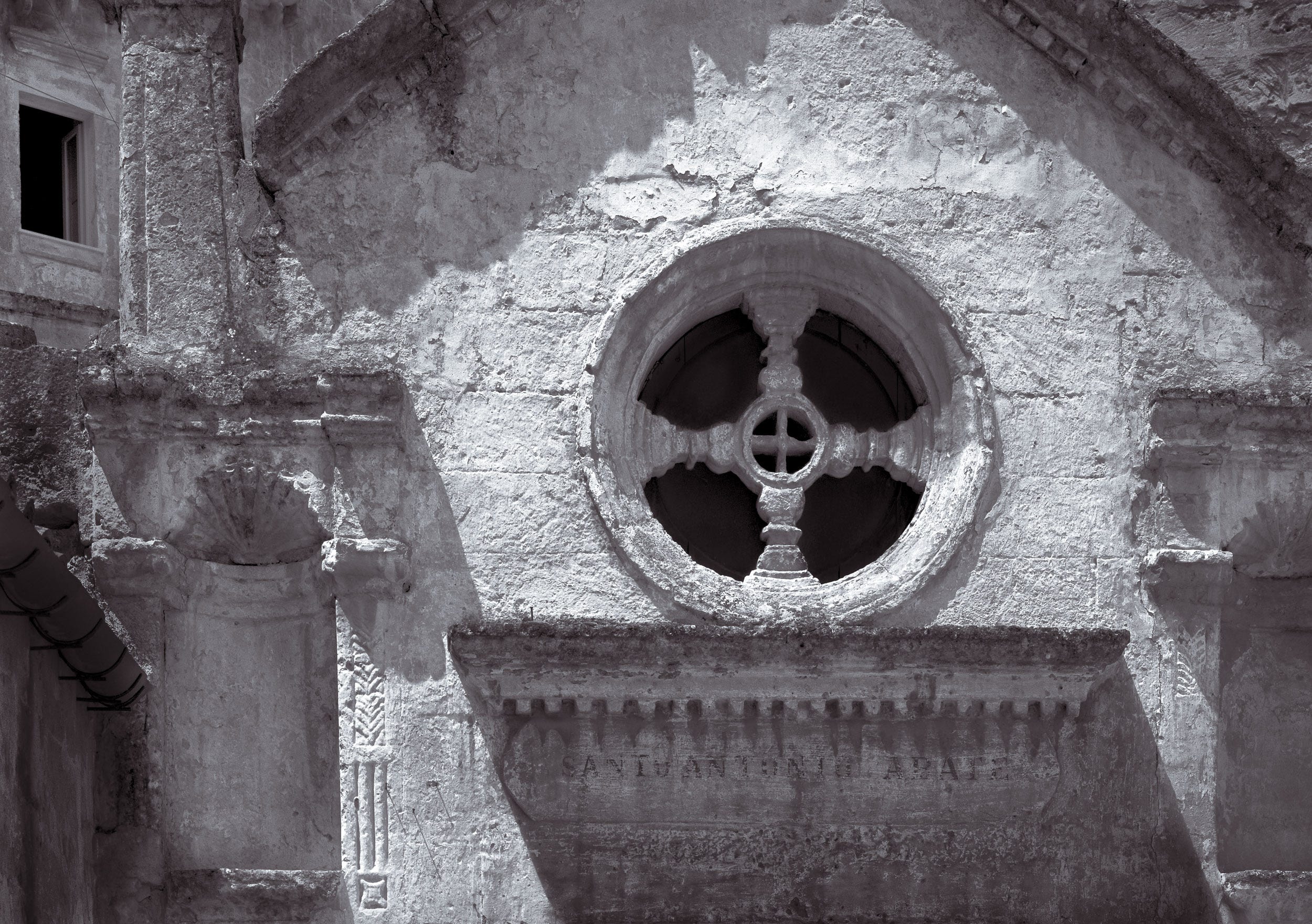
Looking back at these photographs, made during more than ten visits spanning over a decade, I find myself returning not to the grand view across the Sassi or the carved church façades, but to the ordinary details: a patched wall, worn steps, exposed wiring, a doorway darkened by centuries of use. They remind me that history isn’t only what survives untouched. Sometimes it’s what continues to be used.
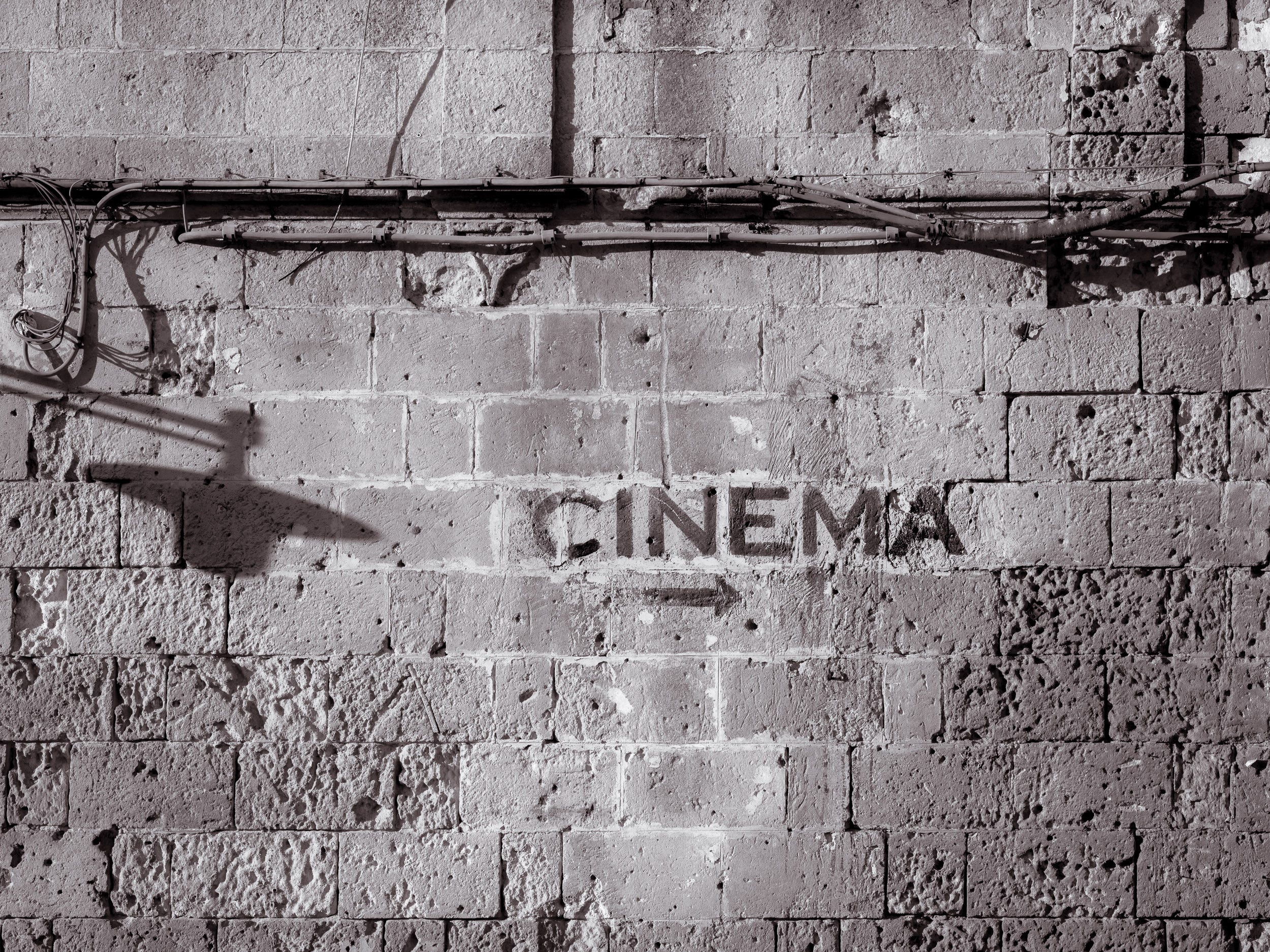
Perhaps that’s what I keep returning to photograph. Not the stone itself, but the traces left upon it. Matera isn’t remarkable simply because it has survived for thousands of years. It’s remarkable because almost nothing has been erased.
I post my photographs and thoughts here to show that there is still beauty in the world and to promote the idea that there is grace, positivity and inclusivity in the everyday.
Throughout history, goodness most always wins, and the arts can lead the way in reflecting the good all around us. There is still light in the world.
It's so interesting that I'm reading this today as just yesterday, I added Matera to my Italy itinerary. I'm hoping that 60 days is enough to explore the country though I'm sure it doesn't even come close. Thanks for the inspiring images!
Oh, the photography. What a love letter to Matera.