

The City Writes on Itself
Naples in Layers

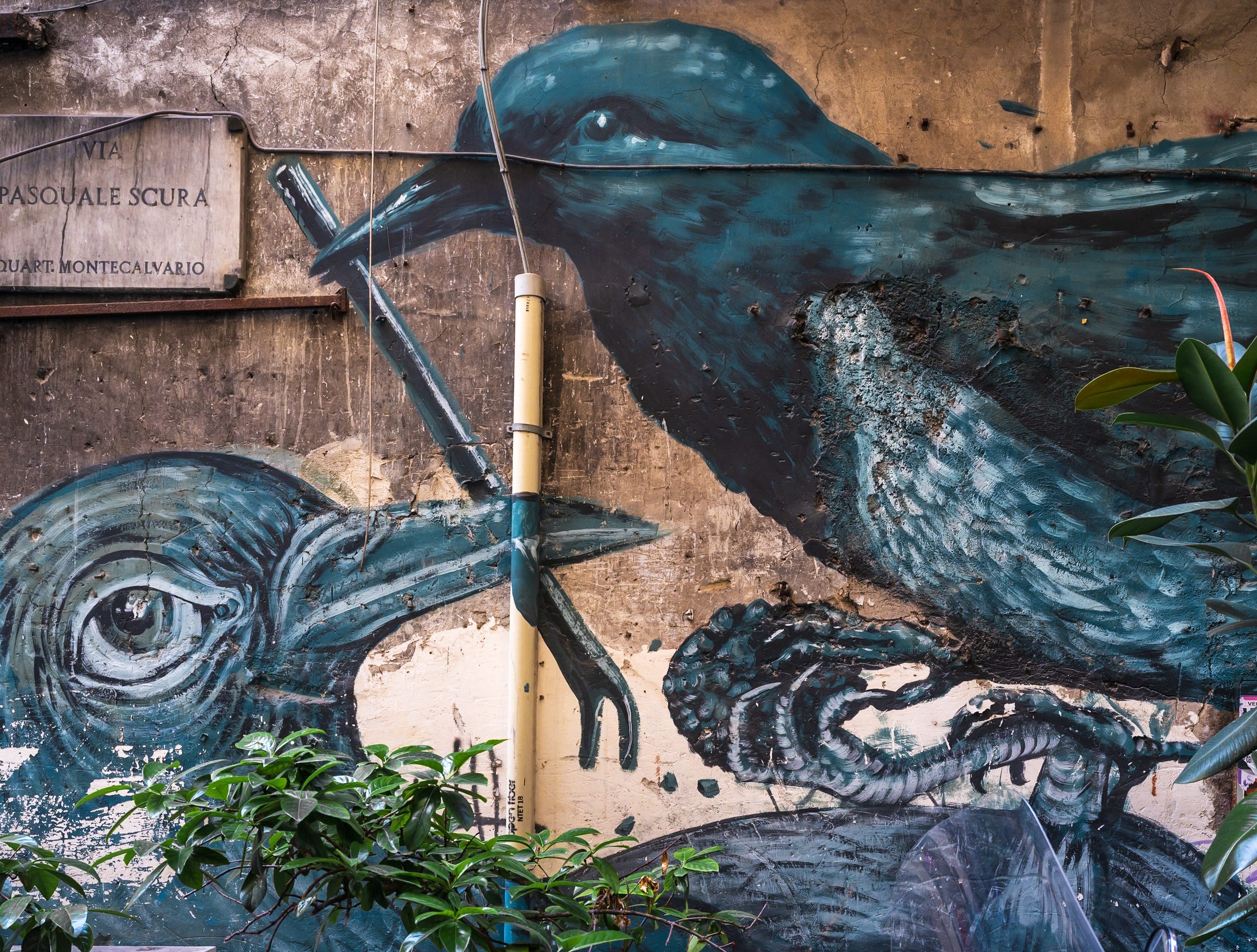
Naples is a city of surfaces, but almost none of them are simply surfaces.
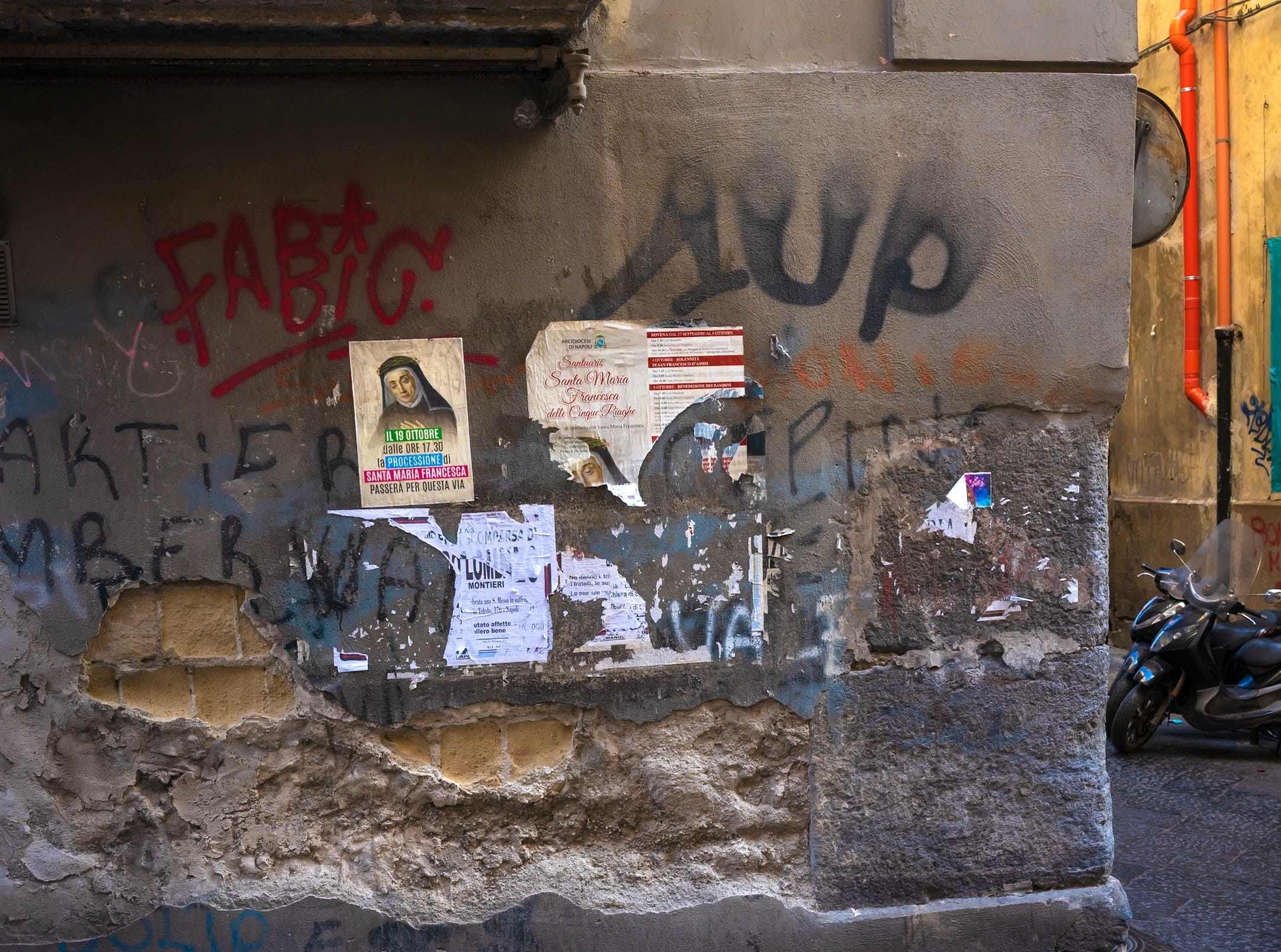
Neapolitan walls acquire their character layer by layer. Posters are pasted up and torn away; a saint’s procession poster is stapled over someone’s funeral notice, which is pasted over someone else’s political slogan. Graffiti crosses older graffiti. Pipes, wires, signs and repairs are added whenever they are needed. The city just keeps writing on top of itself.
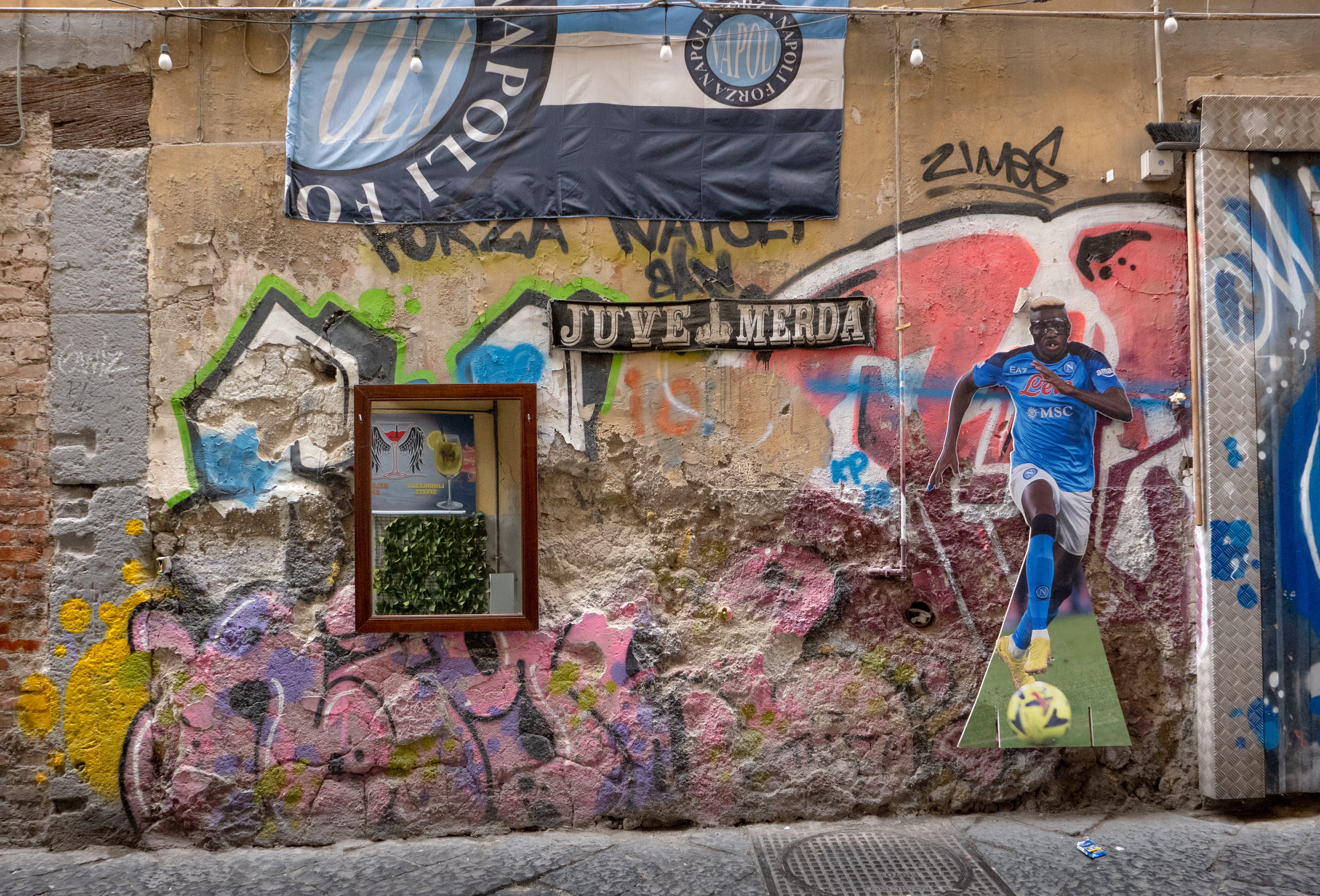
The word graffiti is Italian, from graffiare – to scratch. It seems especially appropriate here. The walls of Naples have been scratched, painted, written on, patched and painted again. At close range, it can become difficult to tell what was intentional and what simply happened. A painted mark, a torn poster and a patch of exposed plaster begin to occupy the same visual world.
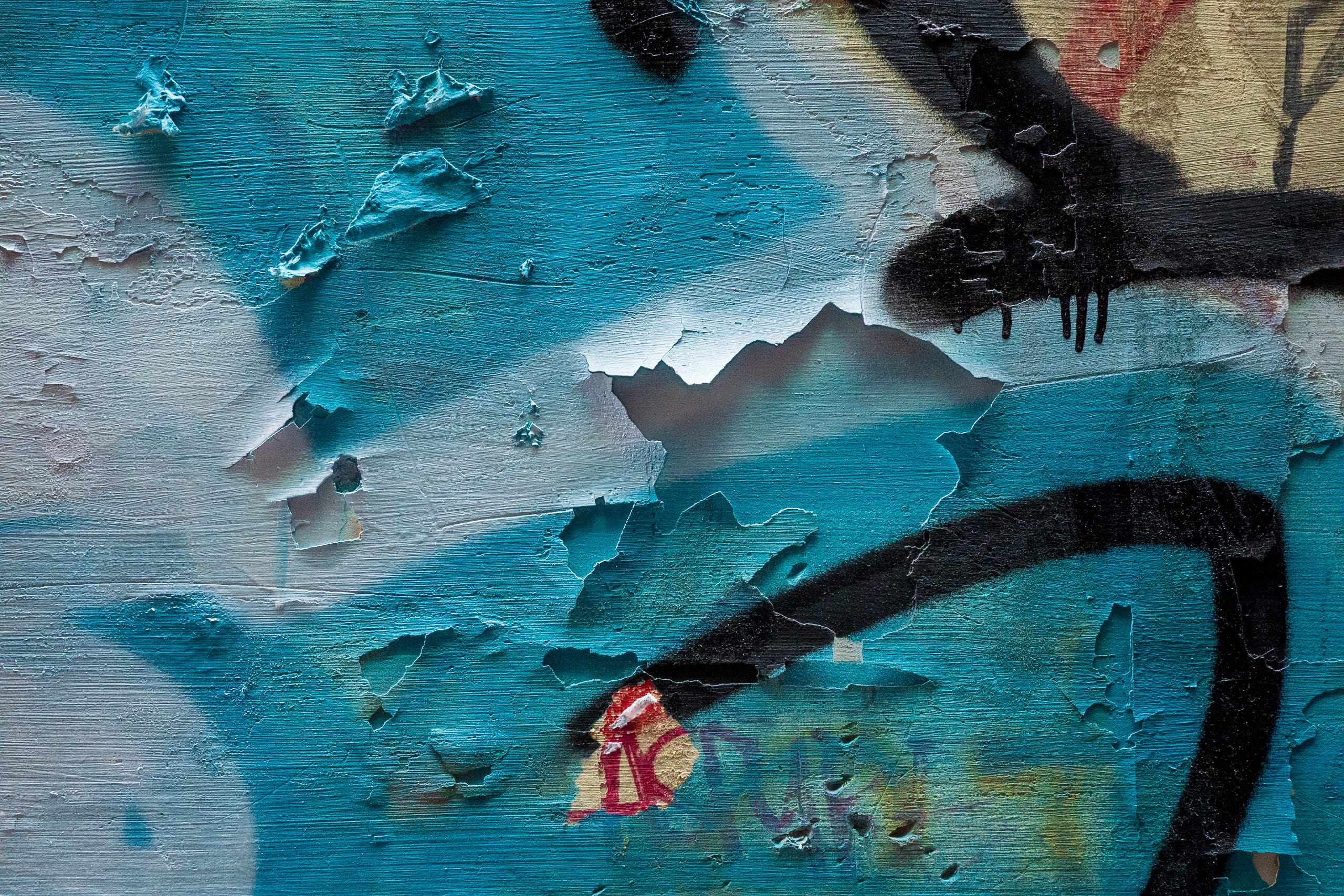
I find myself photographing these surfaces almost as abstractions of color, line, shape and texture. Layers of paper, paint, age and deterioration begin to look like an expressionist painting.
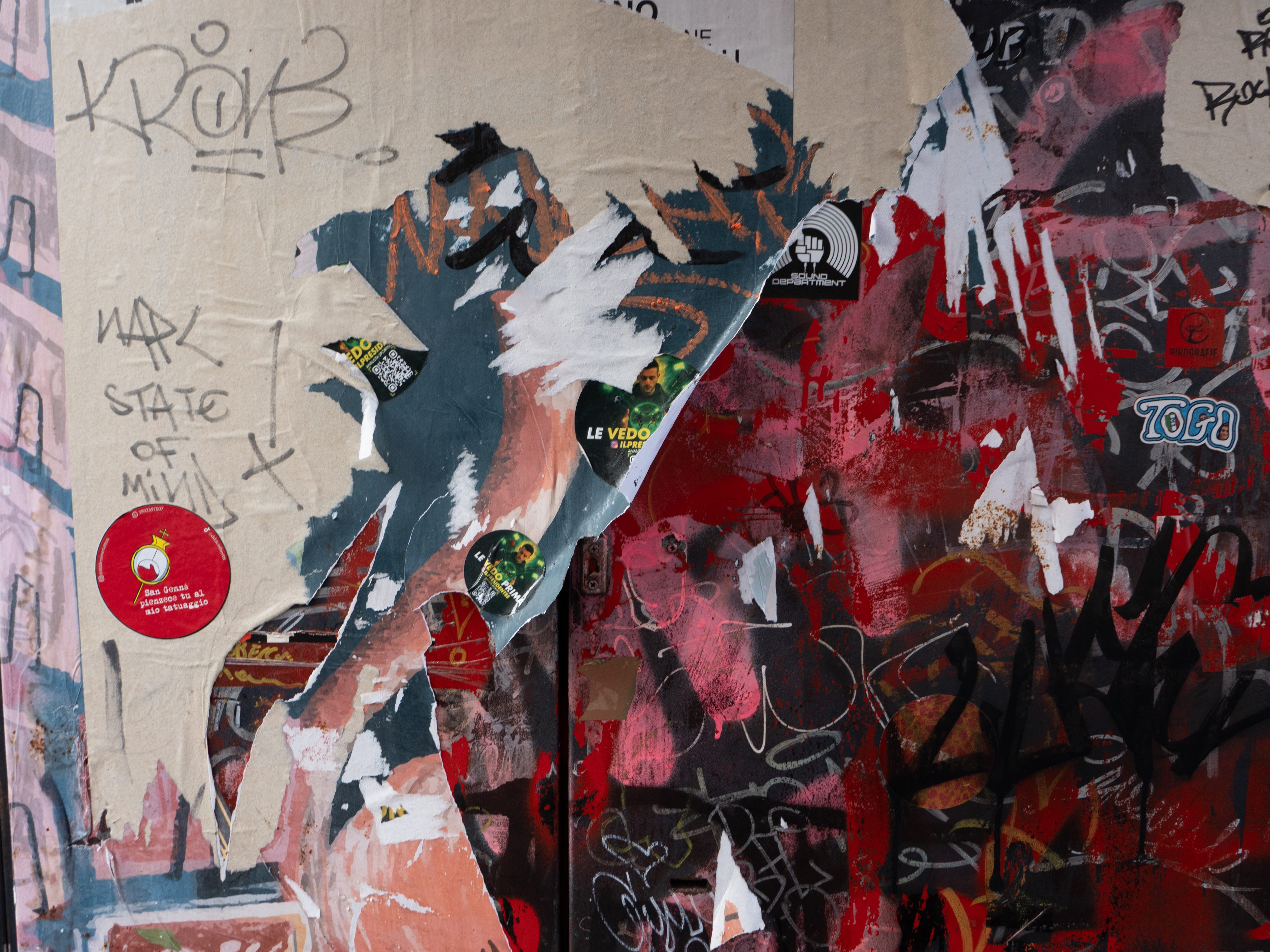
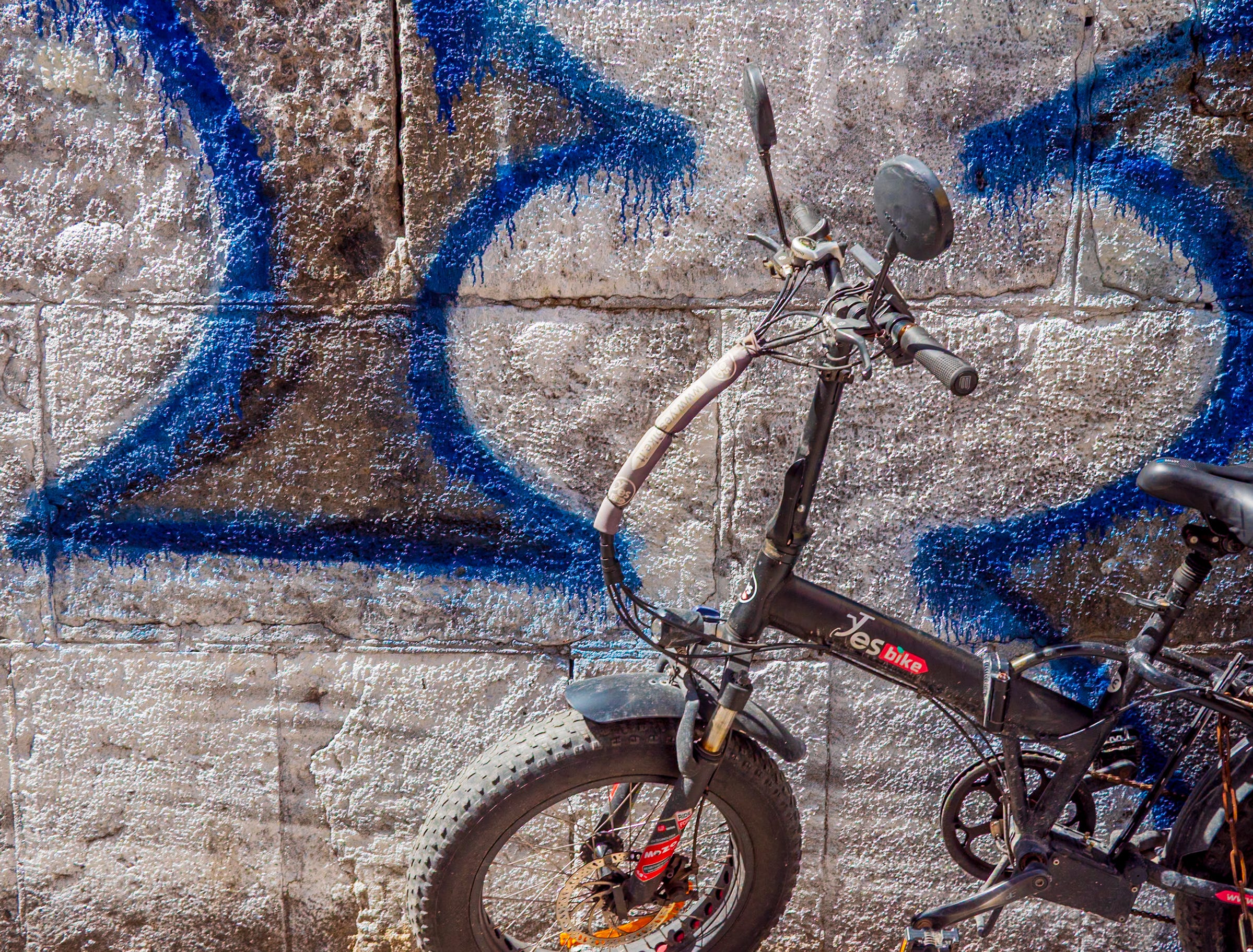
While I came to these pictures looking for texture in the literal sense, at some point in the editing I noticed something I hadn’t set out to find. The purely abstract frames of paint, paper and age that I wanted to collect began to belong beside pictures that are unmistakably about something. Faith, football, romance, rage – by then it no longer mattered what the original message had been.
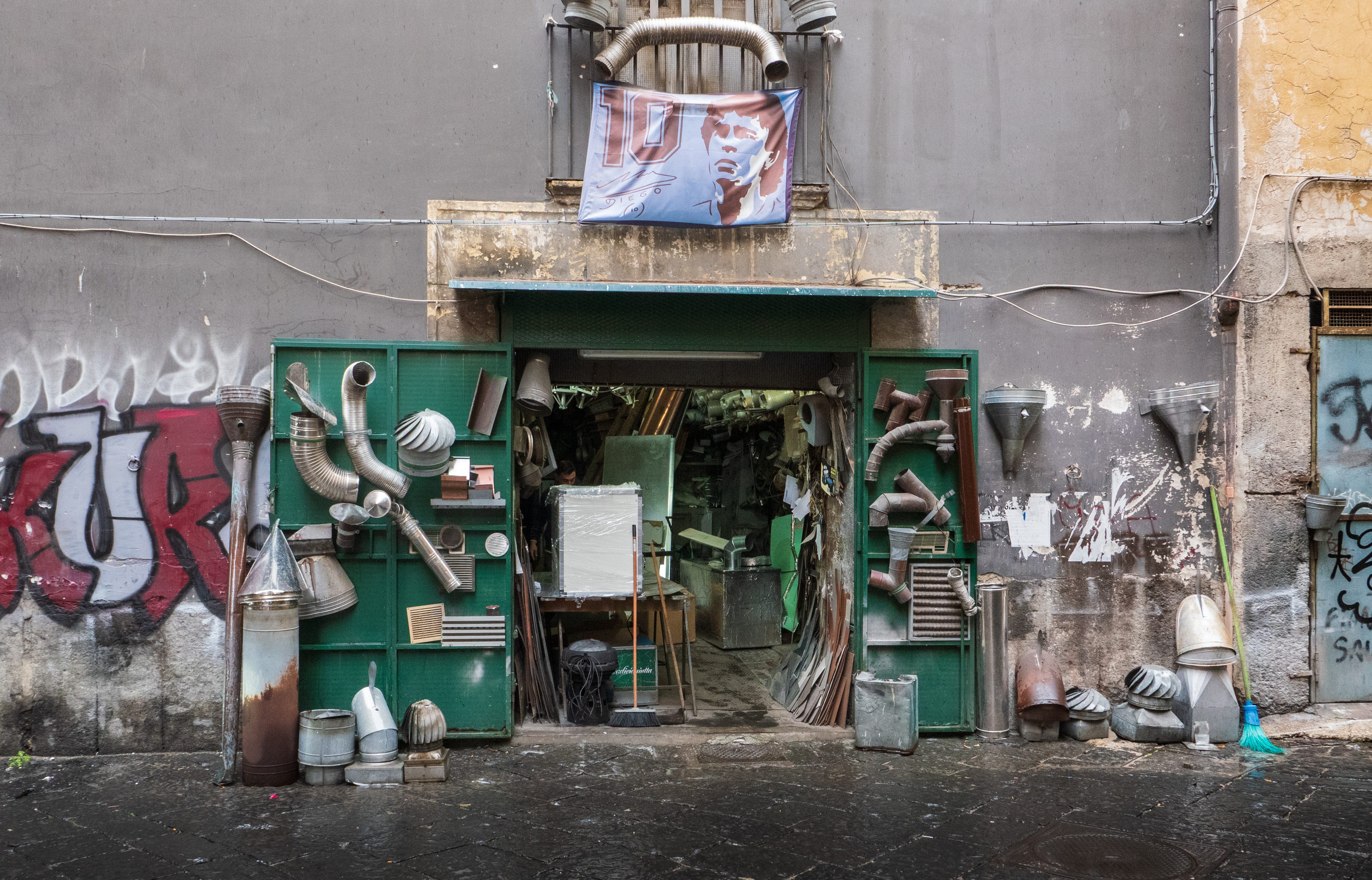
Whether it’s a folding bike propped against a wall sprayed blue, a green shop door crowded with ductwork, or a stepped courtyard where recycling bins wait at the foot of a dry fountain, none of these are abstractions. But somehow they become the same picture.
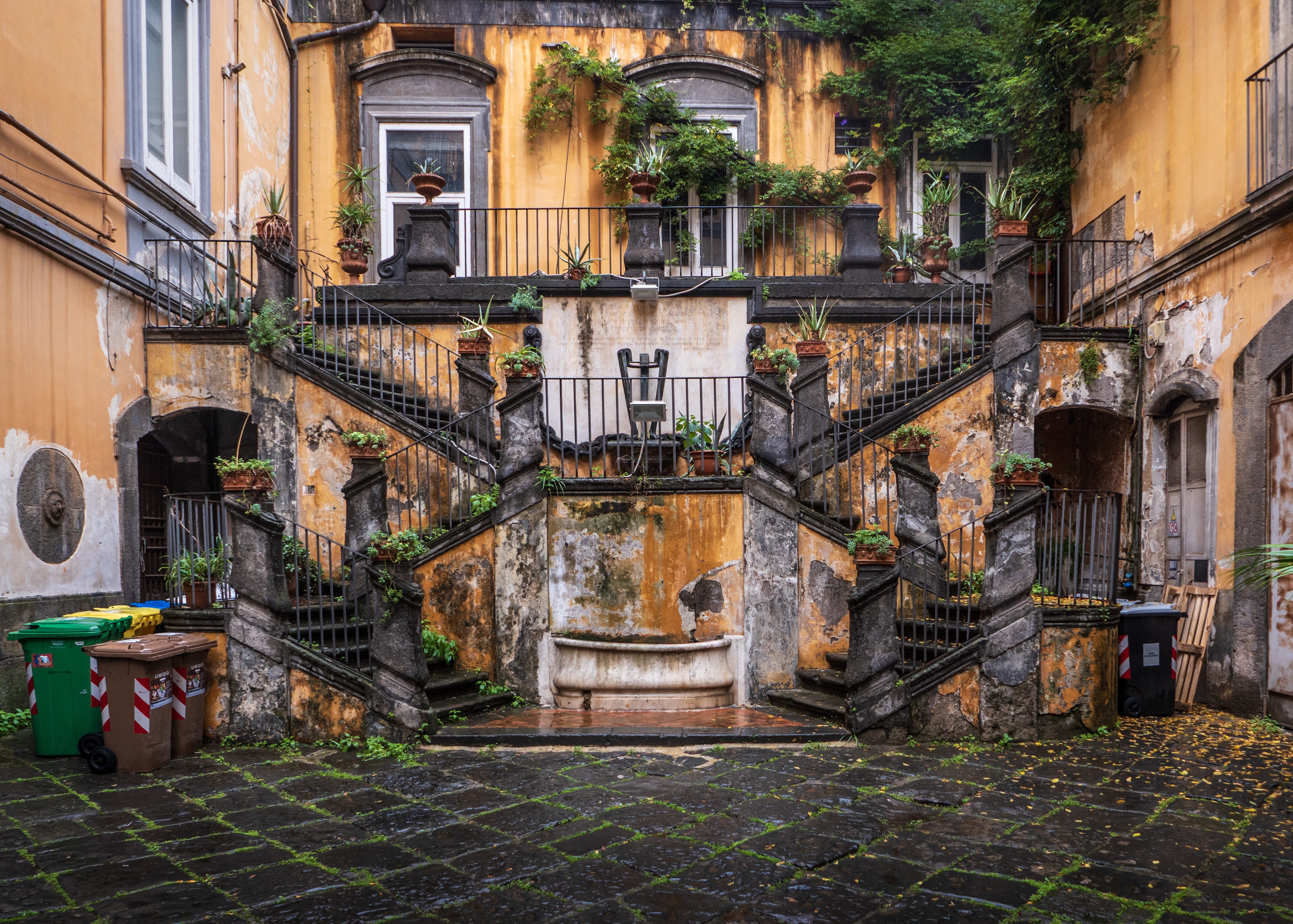
Every surface records what has happened to it, while daily life continues to add another layer. In Naples, if I stand close enough to a wall, I can lose myself in pure color and form. Whether in the Spanish Quarter, the Centro Storico, or along the waterfront, if I step back far enough to see the life around it, I realize I’m still looking at the same picture.
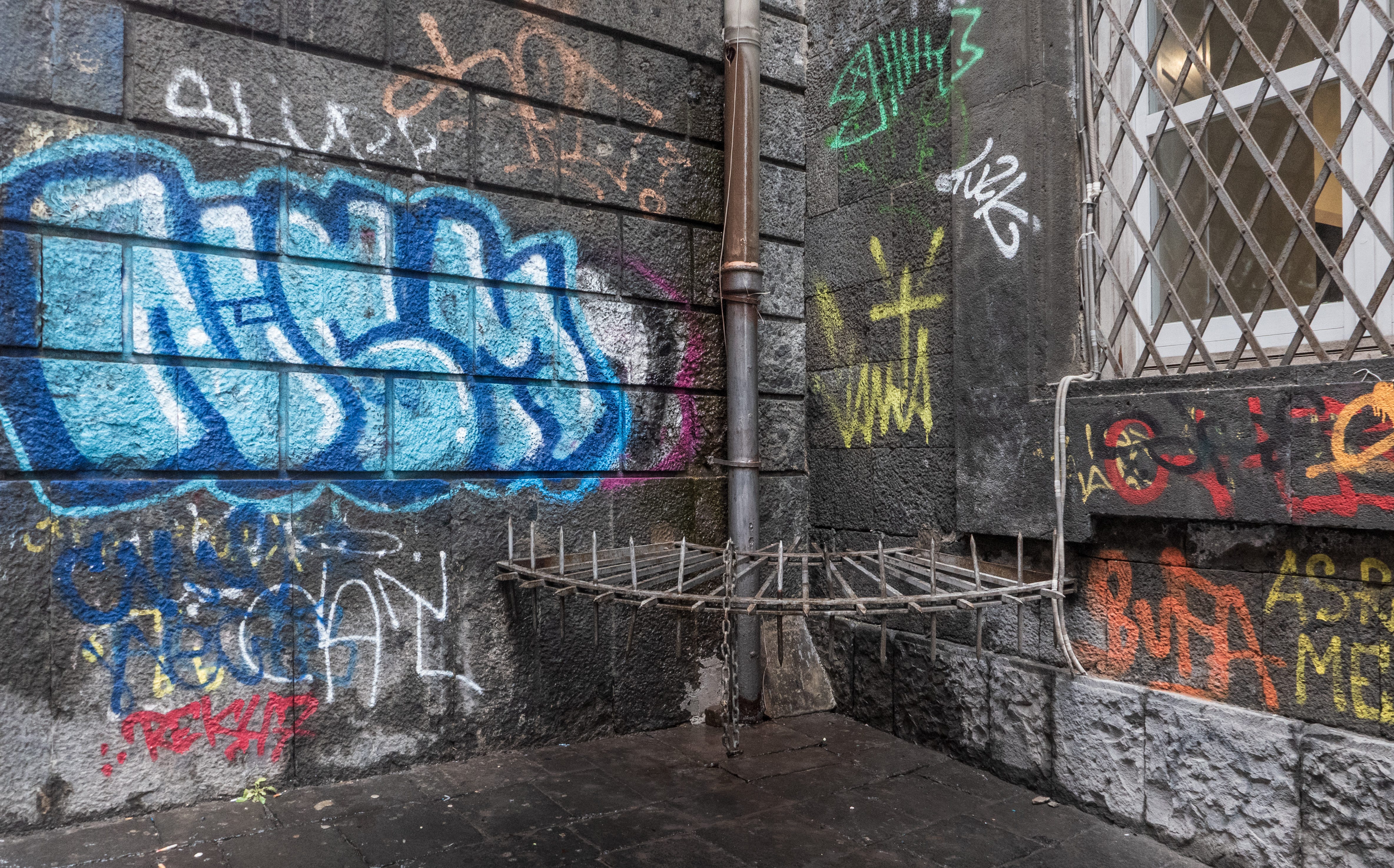
What draws me to these textures, finally, isn’t decay for its own sake. It’s evidence – the same instinct that’s kept me photographing worn stone for years, now transplanted to a noisier, more chaotic place.
Thank you for reading.
If you found this post worth your time, I’d really appreciate it if you’d share it.
I post my photographs and thoughts here to show that there is still beauty in the world and to promote the idea that there is grace, positivity and inclusivity in the everyday.
Throughout history, goodness most always wins, and the arts can lead the way in reflecting the good all around us. There is still light in the world.
I always (kind of) feel bad about photographing graffiti, especially if it's beautiful, because it feels as though I'm stealing someone's art. On the other hand, it's part of the culture of an area and is there to be appreciated.
San Francisco is teaming with gorgeous stories sprayed on many of the area walls, staircases, and construction fences. It blows my mind the talent it takes to create some of this work.
A. Interesting study. Great eye. 💚